Operating System Explained – iOS, Android, Windows, Linux
Operating System:
The Heart of Every Device
An operating system (OS) is the essential software that manages computer hardware and software resources, providing common services for computer programs. From mobile phones to supercomputers, the OS is the invisible conductor of the digital world.
The operating system (OS) acts as an intermediary between the user and the computer hardware. Its primary goal is to provide an environment in which a user can execute programs in a convenient and efficient manner.
Without an OS, every programmer would have to understand the intricate details of the hardware to perform even simple tasks like printing a document or saving a file.
Quick verdict: after hands-on tests in qBittorrent, here are the safest and fastest options for P2P in 2025. We measured real download speeds, checked for DNS/WebRTC leaks, and tested port forwarding. If your current “torrent VPN” stalls, leaks your IP,...
What is TikTok Shop?TikTok Shop is TikTok’s built-in social commerce platform essentially an online marketplace inside the TikTok app. It allows businesses and creators to showcase and sell products directly on TikTok without forcing users to leave...
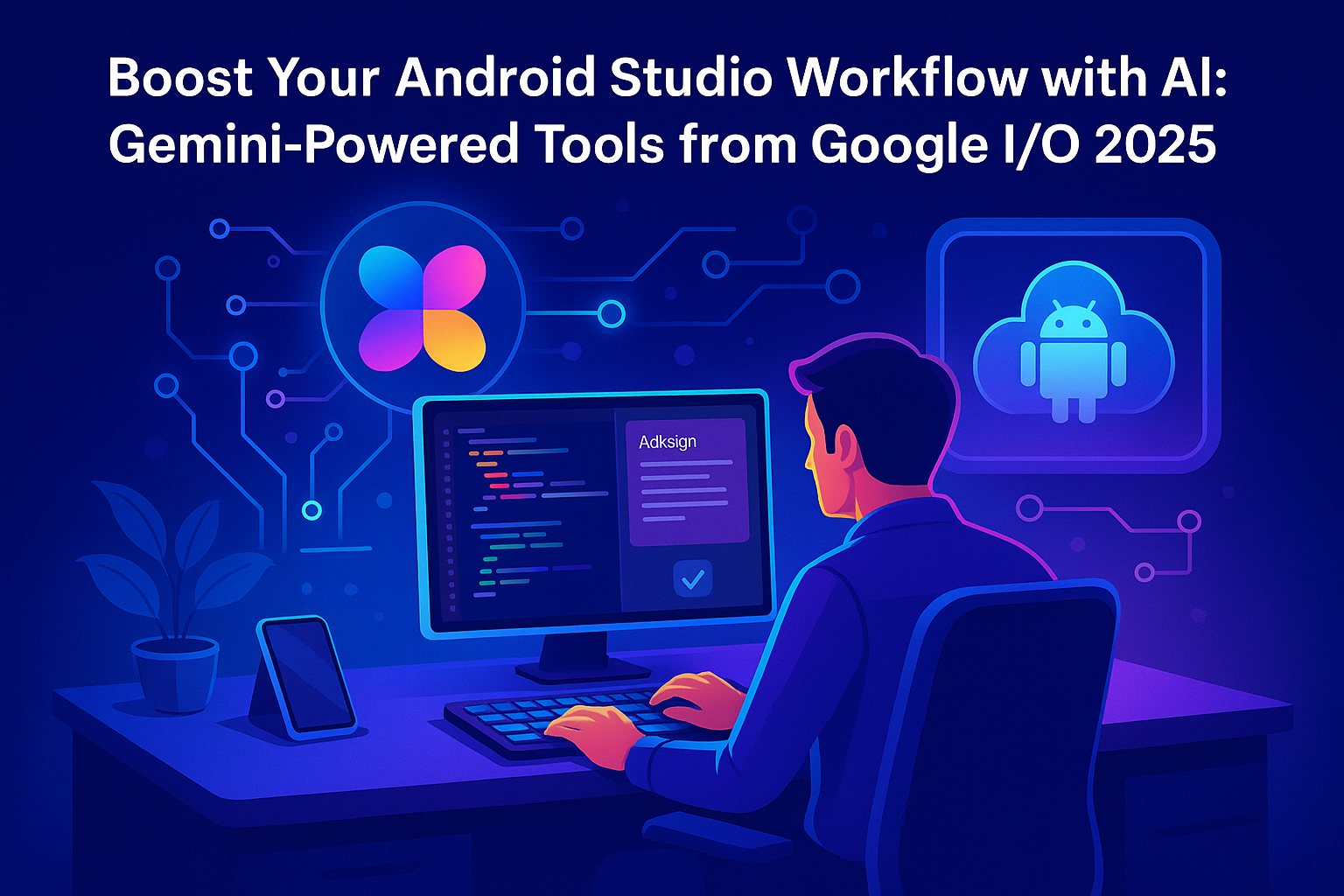
Discover how Gemini AI is transforming Android Studio in 2025 with intelligent code generation, automated UI testing, crash analysis, and cloud-based development tools—all revealed at Google I/O 2025. This guide explores every key feature developers need...
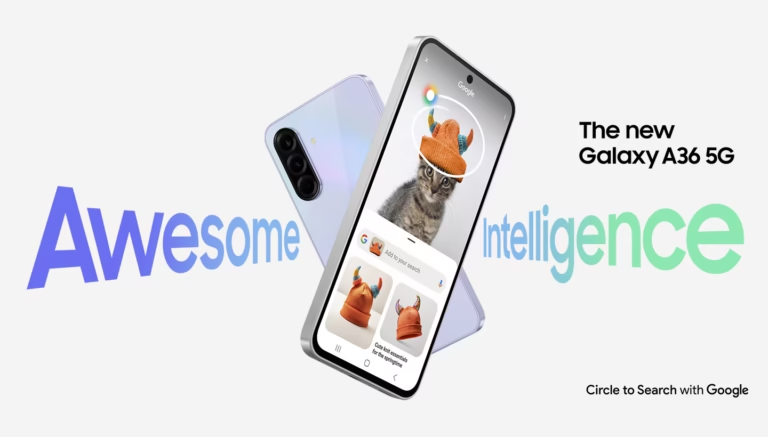
Discover how the Galaxy A36 5G combines 6 generations of Android upgrades, 6 years of security patches, and Samsung Knox Vault’s hardware-level protection—making it one of the most secure mid-range phones in 2025.
Everything you need to know about different operating systems.
What is an Operating System (OS)?
An OS is software that manages computer hardware and software resources. It provides common services for computer programs, ensuring they can interact with the CPU, memory, and storage without needing direct control over the hardware.
Which OS is best for mobile devices?
It depends on user preference. iOS is known for its polished user experience, security, and integration with the Apple ecosystem. Android offers unparalleled customization, a wider range of hardware choices, and deeper integration with Google services.
Is Linux better than Windows?
Linux is often preferred by developers and server administrators for its stability, security, and resource efficiency. Windows remains the leader for general users, office productivity, and high-end gaming due to its vast software compatibility.
Can a device run without an operating system?
Technically, very simple devices (like basic microcontrollers) can run ‘bare metal’ code. However, any modern computing device (phone, laptop, server) requires an OS to manage its complex multitasking and hardware interface.