Design scalable, maintainable, and efficient apps with proven architectural patterns. Master the art of structured development for the Apple ecosystem.
Choosing the right iOS app architecture is critical for building scalable apps. Whether you're using MVC, MVVM, or Clean Architecture, the goal remains the same: separation of concerns, testability, and maintainability.
Modern iOS development, especially with SwiftUI, has shifted the paradigm towards more reactive and modular patterns. Understanding these structures allows developers to manage complex state and UI updates gracefully.
Core Concepts
Standard Layered Architecture
Presentation Layer (UI/SwiftUI)
Business Logic Layer (ViewModels/Services)
Data Layer (Persistence/Networking)
A classic 3-tier approach ensuring clear separation of concerns.
Architecture Patterns
Choose the right blueprint for your project needs, from simple MVVM implementations to robust Clean Architecture systems.
MVC
Model-View-Controller
The classic Apple-recommended structure. Simple but prone to 'Massive View Controller' if not managed carefully.
MVVM
Model-View-ViewModel
The modern standard for SwiftUI. Facilitates clean data binding and highly testable business logic.
MVVM
View-Interactor-Presenter-Entity-Router
Highly modular and testable. Ideal for large teams and complex applications requiring strict isolation.
Clean Architecture
Uncle Bob's Principles
Separation of concerns through dependency inversion. Keeps your core logic independent of UI and Frameworks.
Architecture Patterns
REQUEST
UI Layer (View)
The user intrface, typically built with SwiftUI or UIKit. Its only responsibility is to display data and capture user interactions.
Request
REQUEST
ViewModel / Logic
The user intrface, typically built with SwiftUI or UIKit. Its only responsibility is to display data and capture user interactions.
UPDATE
REQUEST
Model / Data
Represents the pure data structures of your app. This layer is often shred across different platforms.
UPDATE
REQUEST
Persistence / API
Where the data actually lives. This could be CoreData, SwiftData, or a remote REST/GraphQL API.
UPDATE
Explore Topics
Everything you need to know, categorized for easy navigation.
Setup and Environment
Installing Xcode, configuring simulators, and setting up Apple developer accounts.
Quick verdict: after hands-on tests in qBittorrent, here are the safest and fastest options for P2P in 2025. We measured real download speeds, checked for DNS/WebRTC leaks, and tested port forwarding. If your current “torrent VPN” stalls, leaks your IP,...
What is TikTok Shop?TikTok Shop is TikTok’s built-in social commerce platform essentially an online marketplace inside the TikTok app. It allows businesses and creators to showcase and sell products directly on TikTok without forcing users to leave...
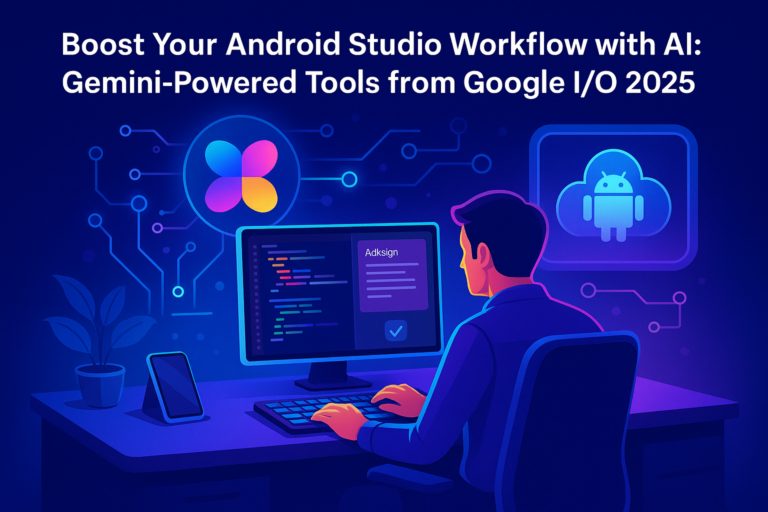
Discover how Gemini AI is transforming Android Studio in 2025 with intelligent code generation, automated UI testing, crash analysis, and cloud-based development tools—all revealed at Google I/O 2025. This guide explores every key feature developers need...
Discover how the Galaxy A36 5G combines 6 generations of Android upgrades, 6 years of security patches, and Samsung Knox Vault’s hardware-level protection—making it one of the most secure mid-range phones in 2025.
MVVM (Model-View-ViewModel) is currently the industry standard for SwiftUI. It leverages SwiftUI's data binding capabilities through ObservableObjects and @Published properties, providing a clean separation between the view and the data logic.
In MVC, the Controller acts as the main hub, often becoming bloated with both UI logic and business rules. In MVVM, the ViewModel takes over the business logic and state preparation, leaving the View to focus purely on rendering, which leads to better testability.
Clean Architecture is a set of principles that separates the code into layers based on their stability. Core business logic (entities and use cases) is at the center, independent of any external frameworks, databases, or UI elements like SwiftUI or UIKit.
While VIPER is less common in smaller projects due to its boilerplate, it remains highly relevant for large-scale enterprise apps with large teams, where strict isolation and testability are paramount.