Optimizing an iOS app requires a holistic approach, addressing everything from memory footprint and CPU utilization to UI responsiveness and network efficiency.
UI Layer
Rendering & Main Thread
Network Layer
Payloads & Latency
CPU Layer
Processing & Concurrency
Memory Layer
Allocations & ARC
Optimization Techniques
Go beyond functional code. Build apps that feel instant and preserve battery life through expert-level tuning.
Memory Management
Memory
Master ARC, avoid strong reference cycles (leaks), and optimize your app's memory footprint.
Instruments Profiling
Tools
Use Time Profiler, Leaks, and Core Animation tools to identify and eliminate bottlenecks.
Async & Concurrency
Code
Implement Swift Concurrency (async/await) and GCD to keep the main thread responsive.
UI Rendering
Visuals
Optimize view hierarchies, cell reuse, and image loading for a stutter-free 120Hz experience.
Optimization Lifecycle
Performance tuning is an iterative process of continuous measurement and refinement.
Request Creation
Building the URLRequest with headers, method, and body.
Transmission
URLSession handles the low-level data transfer over the network.
Processing Response
Decoding the received data back into Swift models.
Processing Response
Decoding the received data back into Swift models.
Measure
Launch Instruments and record your app in real-world scenarios. Look for dropped frames, high CPU peaks, or steady memory growth.
"Measure twice, optimize once. Profiling data is your source of truth."
Performance
Best Practices
Profile regularly with Instruments to catch regressions early
Minimize work on the Main Thread to maintain 60/120 FPS
Optimize network calls with smart caching and compression
Use background threads for image processing and data sorting
Reduce view hierarchy complexity to speed up layout passes
Avoid large memory allocations in tight loops
Explore Topics
Everything you need to know, categorized for easy navigation.
Setup and Environment
Installing Xcode, configuring simulators, and setting up Apple developer accounts.
Quick verdict: after hands-on tests in qBittorrent, here are the safest and fastest options for P2P in 2025. We measured real download speeds, checked for DNS/WebRTC leaks, and tested port forwarding. If your current “torrent VPN” stalls, leaks your IP,...
What is TikTok Shop?TikTok Shop is TikTok’s built-in social commerce platform essentially an online marketplace inside the TikTok app. It allows businesses and creators to showcase and sell products directly on TikTok without forcing users to leave...
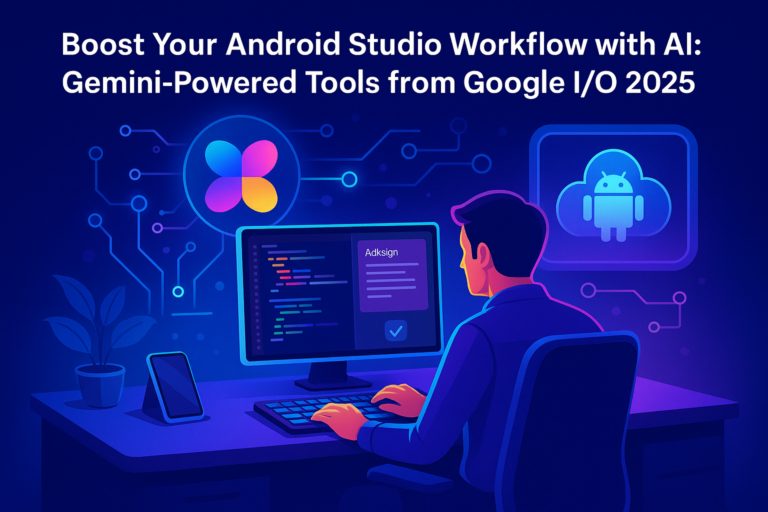
Discover how Gemini AI is transforming Android Studio in 2025 with intelligent code generation, automated UI testing, crash analysis, and cloud-based development tools—all revealed at Google I/O 2025. This guide explores every key feature developers need...
Discover how the Galaxy A36 5G combines 6 generations of Android upgrades, 6 years of security patches, and Samsung Knox Vault’s hardware-level protection—making it one of the most secure mid-range phones in 2025.
Instruments is a separate app that comes with Xcode. You launch it, choose a template (like Time Profiler or Leaks), select your target device and app, and press record. It captures granular data as you interact with your app, allowing you to identify performance bottlenecks.
The most common cause of memory leaks in Swift is strong reference cycles. This happens when two or more objects hold strong references to each other, preventing ARC from deallocating them. Using 'weak' or 'unowned' references in closures and delegate patterns is the primary way to avoid this.
Improve UI performance by minimizing work on the main thread, simplifying view hierarchies, reusing cells in table and collection views, and pre-loading or downsampling images. Using the 'Core Animation' instrument can help you see if you're hitting your 60 or 120 FPS target.